By The Numbers


How It Works
The program works in two ways: some donations are brought back to the NH Food Bank for sorting and use in our internal programs, while other donations are collected directly by local partner agencies, allowing food to reach communities even faster.
Many Fresh Rescue donations are collected directly from retail stores by local partner agencies. The New Hampshire Food Bank coordinates these partnerships, enabling agencies to safely recover surplus food from stores in their own communities.
This model helps keep food closer to where it was donated, allowing items to reach people more quickly while they are still at peak freshness. It also strengthens relationships between retailers and the communities they serve.
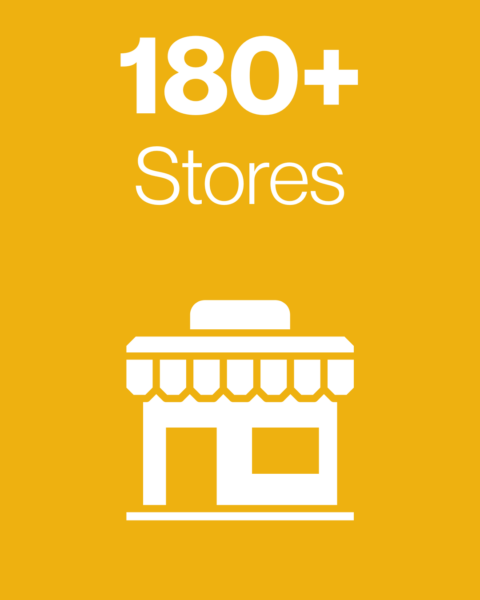
Across New Hampshire, hundreds of retail locations—including grocery stores, wholesale clubs, and specialty markets—participate in Fresh Rescue, helping ensure that good food feeds people rather than going to waste.
Distributing Fresh Rescue Donations
Supporting Our Culinary Job Training Program
A portion of Fresh Rescue donations are brought directly to the NH Food Bank where they support our Culinary Job Training Program. In this program, students gain hands-on kitchen and workforce skills while preparing large, nutritious meals for distribution throughout the Food Bank’s network. Recovered foods such as produce, proteins, and dairy are transformed into ready-to-serve meals that are shared with partner agencies across the state. This approach allows us to maximize the value of donated food while also supporting job training opportunities for individuals seeking careers in the food service industry.
Sorted & Distributed to 400+ Partner Agencies
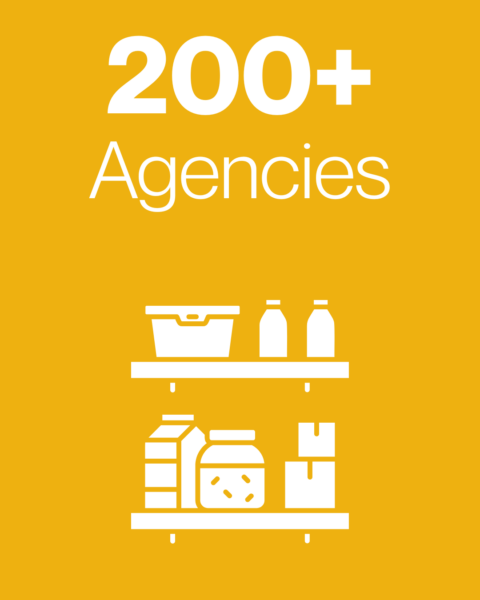
Some Fresh Rescue donations are transported back to the NH Food Bank warehouse where they are sorted, inspected, and prepared for distribution to our network of more than 400 partner agencies.
Once received, products are organized so that agencies can access them through regular Food Bank distributions. This allows food pantries, shelters, soup kitchens, and community programs across New Hampshire to offer fresh items that might otherwise be difficult to source. By centralizing some of these donations, the Food Bank helps ensure quality control, safe handling, and equitable access across the statewide network.
Interested in volunteering?
Every day, the NH Food Bank trucks bring back a variety of frozen foods that need to be sorted into categories. Volunteers involved in this process inspect the food for any signs of contamination or damaged packaging and sort all the good product into boxes that we can distribute to Food Bank agencies. This task requires some bending, lifting, and standing for the duration of the activity.